
HomeThe IssuesAction CentreMedia CentreAbout UsDonateSupport Animals Australia

New Report Condemns Factory Farming

New Report Condemns Factory Farming

Factory farming is “not sustainable and presents an unacceptable level of risk to public health and damage to the environment, as well as unnecessary harm to the animals we raise for food.”

These were the findings of a recent report by the prestigious PEW Commission on Industrial Farm Animal Production.

The report was based on a two and a half year review of animal agriculture in the US and included amongst the Commission's members Kansas governor, John Carlin, who chaired the committee; as well as former US Secretary of Agriculture, Dan Glickman, and former Dean of the University of Tennessee's College of Veterinary Medicine, Dr Michael Blackwell. This report's significance is emphasised by the fact that all fifteen Commission members were in unanimous agreement on the findings of the report.

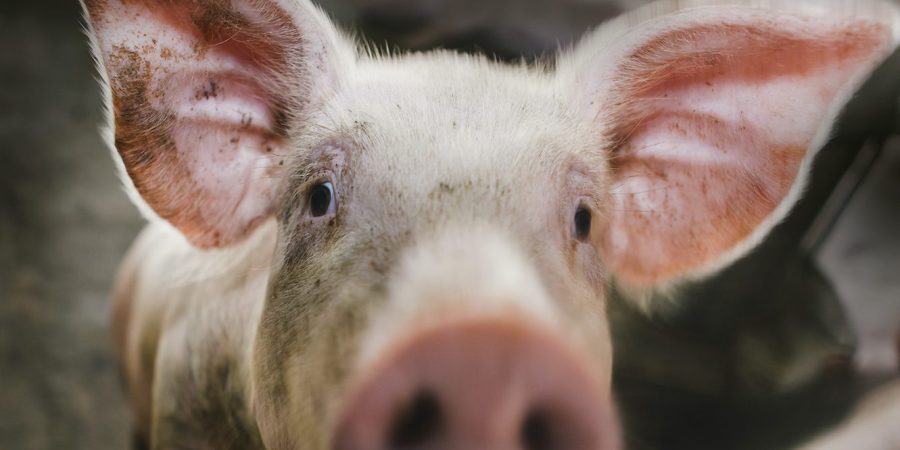
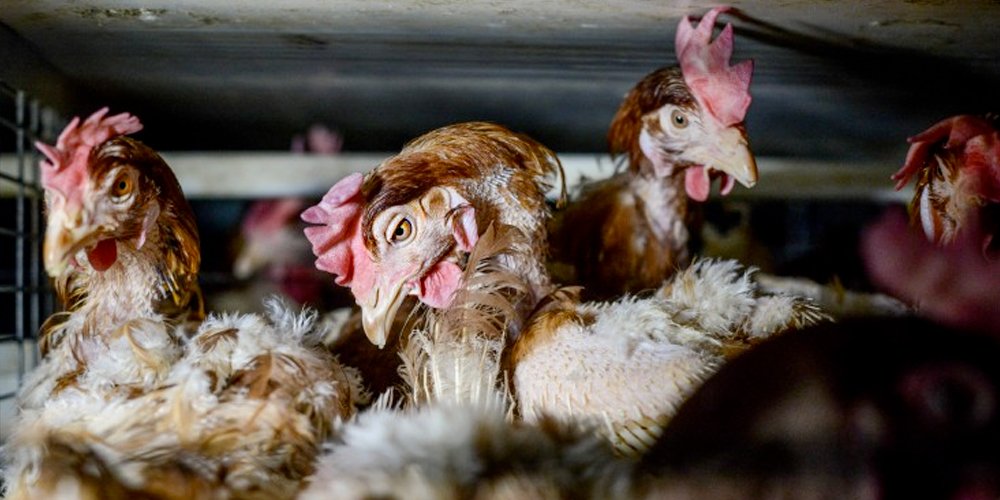
The panel agreed that present factory farming systems designed to confine animals to cramped spaces were cruel and recommended that these systems be phased out. The systems highlighted included gestations crates and sow stalls which confine mother pigs to a space little larger than her own body; battery cages, where chickens spend all of their egg laying lives in a space the size of an A4 piece of paper; as well as veal crates, which confine baby calves to a small crate prior to their slaughter.

One of the major threats to human health identified by the report was drug-resistant bacteria as a result of excessive use of antibiotics on feedlots. However the environmental impact of factory farming was also emphasised as a major threat to human health.

The Commission highlighted waste from factory farms as one of the key environmental concerns. According to the report, a farm with 5000 pigs produces as much waste as a town of 20,000 people and yet has no sewage treatment system. This waste pollutes soil, surface water, runs off into oceans and pollutes underground drinking water. An estimated 1 million people in the US drink water from underground sources that have been tested to have moderate to severe levels of nitrogen-contaminating pollutants, mainly due to fertilizers and animal waste.

The environmental concerns expressed in this report reinforce other key reports, such as the UN's report from 2007, Livestock's Long Shadow, which identified livestock as “one of the most significant contributors to today’s most serious environmental problems.”, including global warming, loss of fresh water, rainforest destruction, spreading deserts, air and water pollution, acid rain, soil erosion and loss of habitat.

Click here to find out more about the impact of factory farming and meat on human health and the environment.

Why are more and more people shifting to a vegetarian diet? For the animals. For the planet. For our own health. Find out more... Find out more...

JOIN Animals Australia TAKE ACTION! Donate Now!
Upcoming Events
What's the best lifestyle choice to combat climate change? (See Results)
Printer friendlyPrint this page
Recommend this pageEmail this page to a friend
RSSRSS  (what is this?)

Donate | Privacy Policy | Sitemap | RSS | Contact Us