
Dairy's great calcium myth

Dairy's great calcium myth

11 November 2011

One of the most common questions posed by people who are distressed by the cruelty of dairy production, is 'without dairy — where do I get my calcium?'


Consuming adequate amounts of calcium is essential to maintaining strong and healthy bones. Through clever marketing, the dairy industry has convinced many of us that only by consuming lots of dairy products can we maintain healthy bones. Nutritionally speaking, this is not correct.

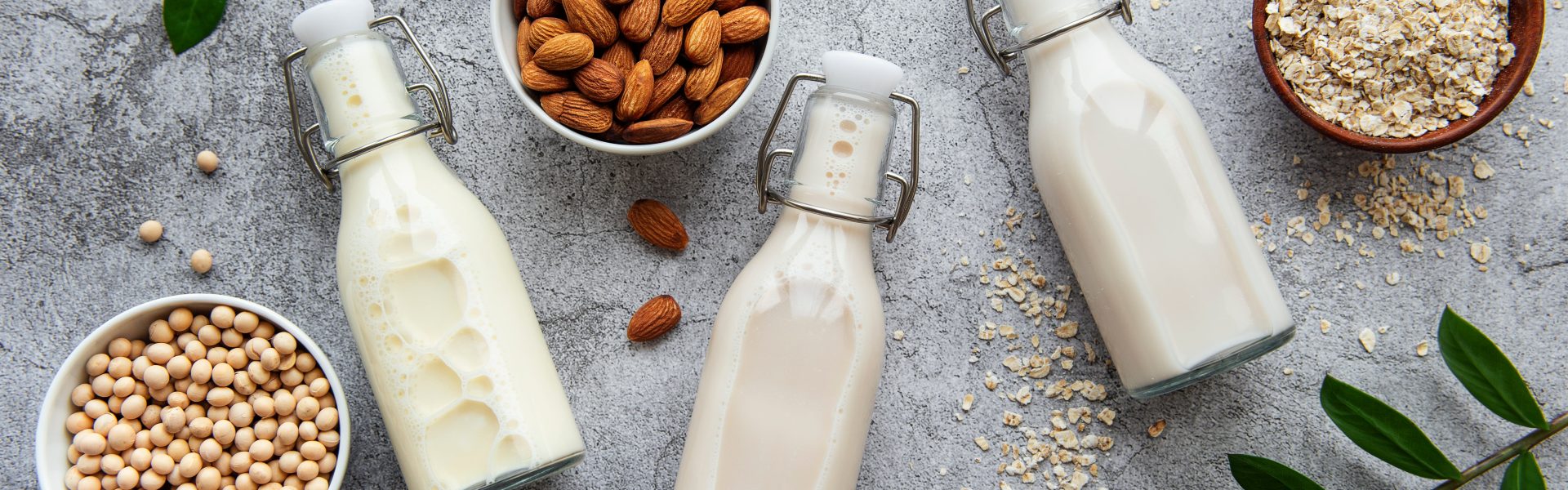
Dairy is not the only source of calcium. Many plant based foods and calcium fortified vegetarian products are good sources of absorbable calcium. Osteoporosis Australia recommends, amongst others, almonds, broccoli, cucumber, silverbeet, mustard cabbage, bok choy, celery, chick peas, dried figs and dried apricots, calcium set tofu, calcium fortified soy milk, breakfast cereals and fruit juices.[1] In fact, Osteoporosis Australia lists firm tofu as the food with the highest calcium content per serve, 832 milligrams per cup (250 ml or 260g).[1]

There are also some reasons why dairy may not be the healthiest source of calcium. This includes the high saturated fat content of many dairy products, which is a risk factor for heart disease. It also includes the possible increased risk of ovarian cancer in women and a probable increased risk in prostate cancer in men. Another issue for a lot of people, particularly those of non-Northern European descent, is lactose intolerance. For them, eating or drinking dairy products causes problems like cramping, bloating, gas, and diarrhoea. These symptoms can range from mild to severe. [2]

Whilst the science is still out on how much calcium we exactly need for healthy bones and to avoid osteoporosis and what the optimal sources of calcium are [2], it is clear that calcium intake is only a part of the picture. For example, there are long-term studies which suggest that high calcium intake doesn’t lower a person’s risk for osteoporosis. [2] In large studies by Harvard University of male health professionals and female nurses, individuals who drank one glass of milk (or less) per week were at no greater risk of breaking a hip or forearm than were those who drank two or more glasses per week. [3, 4]

There are other important lifestyle factors that can limit the amount of bone loss in adulthood and therefore help preventing osteoporosis, these include: getting regular exercise (especially weight-bearing and muscle strengthening exercise), getting adequate vitamin D, consuming enough vitamin K (found in green, leafy vegetables), not getting too much preformed vitamin A and limiting the intake of caffeine and cola. [2]

So when you next hear a dairy advertisement tell you that you need calcium for healthy bones, and that dairy contains calcium — think about what they aren't telling you: that there are alternatives that may not only be healthier for you, but also kinder to cows and calves.

Food for thought.

Learn more:

References:
[1] Calcium: Consumer guide Osteoporosis Australia
[2] Calcium and milk: what's best for your bones and health? Harvard School of Public Health
[3] Owusu W, Willett WC, Feskanich D, Ascherio A, Spiegelman D, Colditz GA. "Calcium intake and the incidence of forearm and hip fractures among men", J Nutr. 1997; 127:1782–87.
[4] Feskanich D, Willett WC, Stampfer MJ, Colditz GA. "Milk, dietary calcium, and bone fractures in women: a 12-year prospective study", Am J Public Health. 1997; 87:992–97.

JOIN Animals Australia TAKE ACTION! Donate Now!
Upcoming Events

Registered Charity No. A0020071Z

Print Page | Privacy Policy | RSS | Sitemap | FAQs | Contact Us