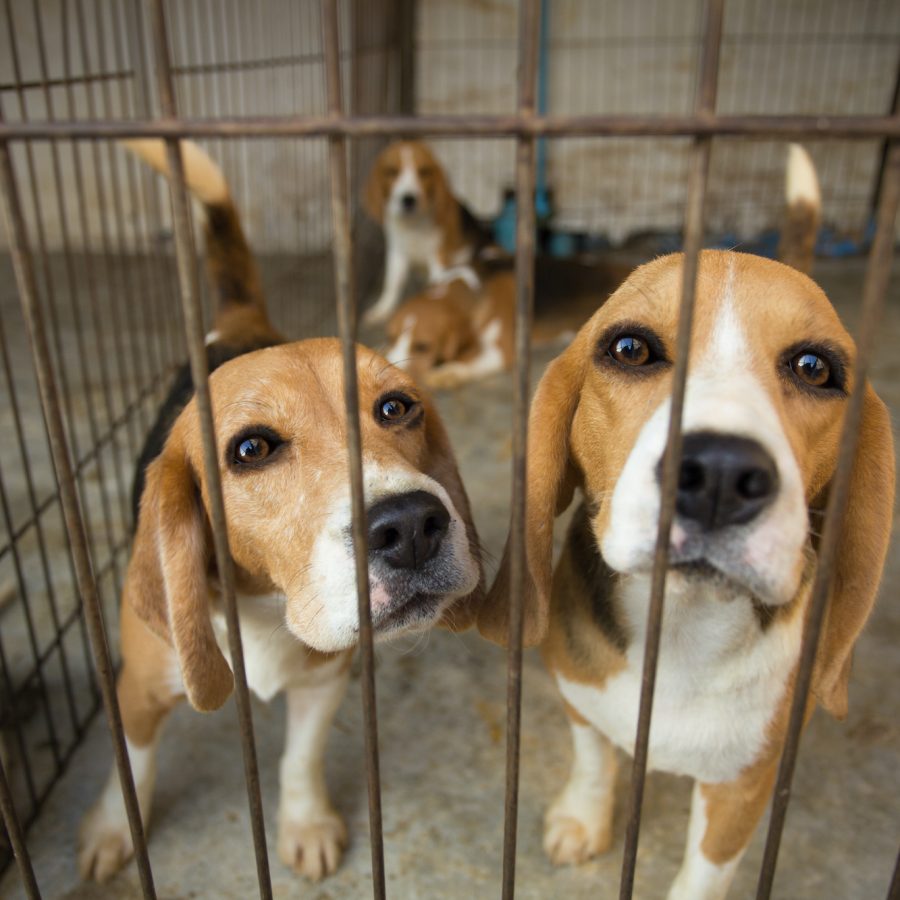
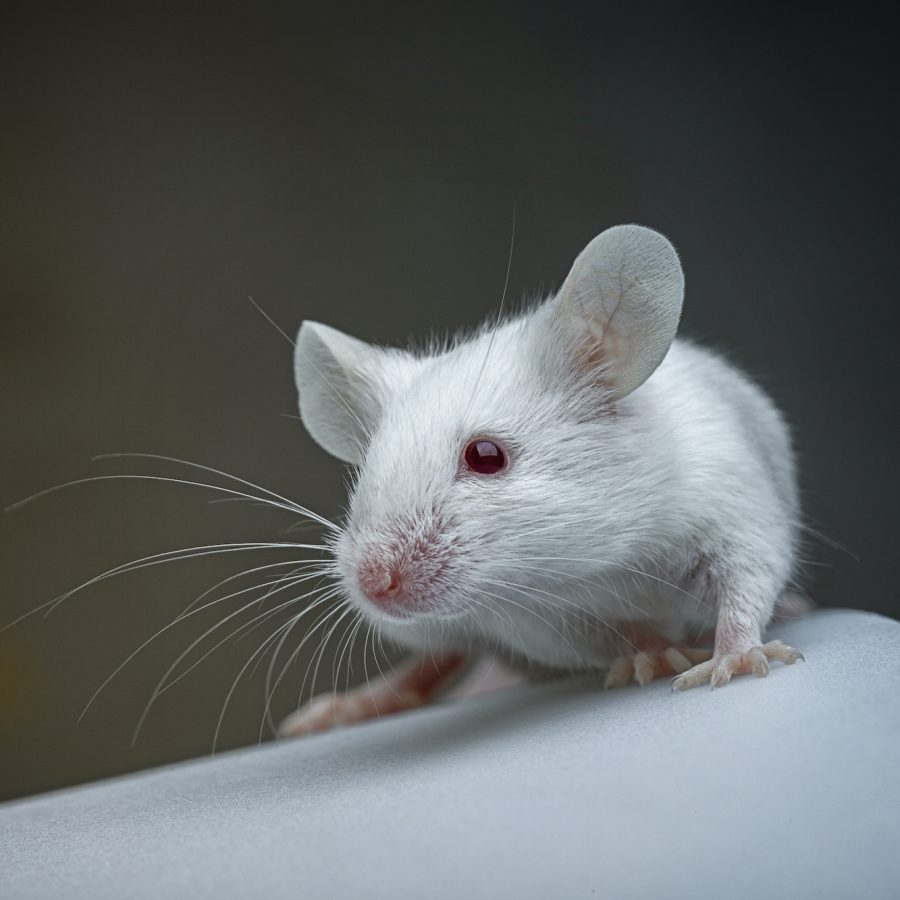
Millions of primates, dogs, rabbits, pigs, rats and other animals are still poisoned, burned, and killed each year for cruel and unnecessary animal tests.
Animal testing in Australia today.
The ban on testing cosmetics on animals was embraced as a positive change in Australia. And it was. But it didn’t end animal experimentation. It simply drew a line around one type of testing.
The disturbing reality is that millions of animals in Australia — and hundreds of millions globally — are still suffering in research labs for chemical testing and medical research.
Dogs, monkeys, pigs, rabbits, rats and other sentient animals are routinely subjected to procedures that can cause pain, distress and prolonged suffering — often behind closed doors and with little public transparency.
Ask the experimenters why they experiment on animals and the answer is: 'because animals are like us.' Ask the experimenters why it is morally okay to experiment on animals, and the answer is: 'because the animals are not like us.'
Prof. Charles R. Magel
Animal testing rests on a simple contradiction: animals are similar enough to humans to act as stand-ins, yet different enough that harming them is justifiable. And decades of evidence show the science rarely translates — most drugs that pass animal tests fail in human trials. The good news is that modern science is revealing a better way.
A widespread issue.
With no national reporting system in Australia, it’s hard to know the full extent of animal testing. But available data indicates more than ten million animals are used in research, testing and teaching in Australia annually. Globally, this number rises into the hundreds of millions of animals.
It would be understandable to assume this issue doesn’t affect the average person. But animal testing is pervasive — woven through the products we use, the charities we support, and the institutions we study in.
Look around any home — the kitchen, the garage, even the bathroom medicine cabinet — and you’ll likely find something that was, at some point, tested on animals.
The animal suffering.
Inside laboratories, animals endure procedures that would be unthinkable — and illegal — anywhere else. In toxicity tests, they may be force-fed pesticides, drugs or household chemicals, often in increasing amounts until they become sick or die.
Biomedical research uses animals to mimic human diseases, even though those illnesses don’t naturally occur in them. Symptoms are artificially created, often through invasive or stressful procedures. These animal “models” can suffer immensely — and yet the results rarely translate to humans.
Many animals are also used in open-ended “basic research”, trapped in cycles of testing that never lead to real-world applications. And despite non-animal methods offering an equal — and often better — learning experience, some teaching and training still uses animals in dissections and demonstrations.
The flawed science underpinning animal testing.
Animal experiments are pitched as safeguarding human health, but the evidence is overwhelming that they consistently fail to do so.
9 in 10 new drugs that pass animal tests still fail in human trials — usually because the animal data didn’t predict human responses.
One of the most infamous failures was TGN1412, a drug developed for leukaemia and arthritis. It appeared safe in mice, rabbits, and monkeys, but when tested on healthy volunteers, it triggered a catastrophic immune reaction that caused multiple organ failure.
And over 90% of animal-based biomedical researchnever helps human patients. That’s because animal models cannot capture the true complexity of human illness.
Alzheimer’s is one of the clearest examples: after decades of “cures” in mouse models, more than 99% of drugs have failed in people, leading scientists to call it one of modern medicine’s most striking translational failures. The same pattern appears across other major diseases.
Relying on animal models for decades has sent medical science down costly, misleading paths, delaying real breakthroughs that could have come from human-relevant research.
The good news is that a new generation of science is offering hope — as scientists and regulators turn to innovative, human-based technologies that are proving safer, more accurate and far more humane than animal testing.
Primate experimentation
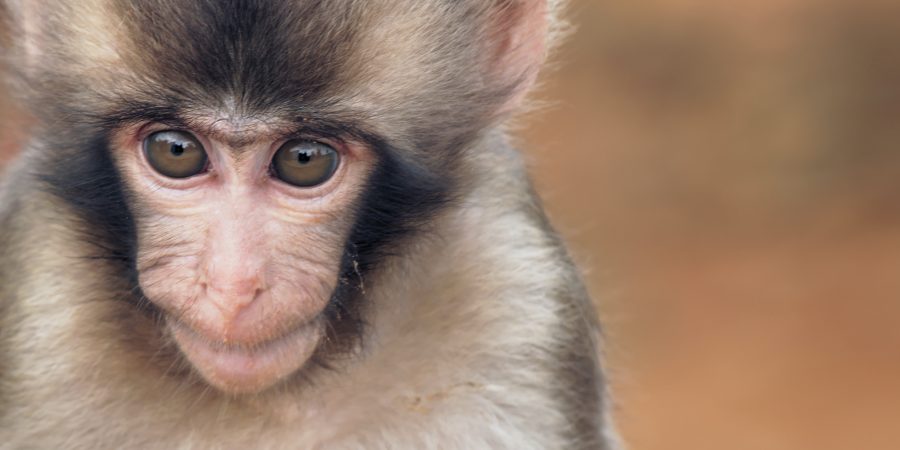
It would shock caring Australians that every year hundreds of non-human primates are being tested on in universities and institutions around the country.
Three primate breeding facilities supply these Australian researchers with animals for experimentation — ‘supplemented’ by the importation of animals from overseas countries where poaching and habitat destruction is a significant cause of plummeting wildlife populations, with some breeds of macaque monkey being critically endangered almost to the point of extinction.
However, for all our apparent similarities, the results of animal experiments on non-human primates often cannot be directly applied to humans — meaning that, ultimately, hundreds of primates are being harmed and killed every year in tests that rarely yield any real-world benefit.
The human cost.
Behind every laboratory door are people whose wellbeing is also affected by these systems. Technicians and researchers carry the emotional burden of harming animals as part of their daily work. Studies show that this “caring–killing paradox” can lead to moral distress, PTSD-like symptoms, ‘burnout’ and depression. A more humane, human-relevant research future doesn’t just spare animals — it frees people, too, from practices that conflict with their compassionate instincts.
A better way forward: modern human-relevant science.
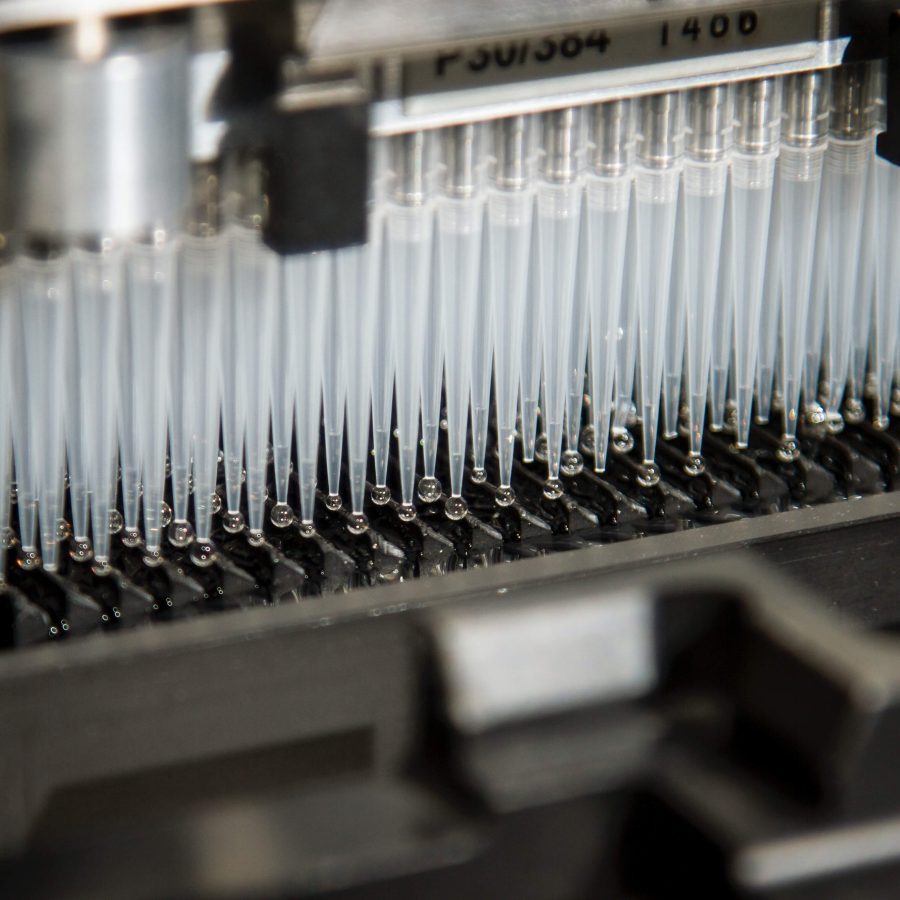
Around the world, cutting-edge technologies are replacing outdated animal experiments with methods that are more accurate and directly relevant to humans. Known as New Approach Methodologies (NAMs), these innovations are already being used in regulatory testing, drug discovery and disease modelling.
Adopting NAMs isn’t just about replacing animals — they redefine research, offering faster, more effective and more ethical pathways to understanding human health and disease.
This is modern science that is better for animals and better for people.
Despite this, billions of dollars are still being poured into cruel and unreliable animal tests that fail time and again. It’s time for laws, funding and research priorities to catch up with the science and embrace approaches that truly serve both people and animals.
This image contains content which some may find confronting
Image credit: We Animals Media
How you can help.
As a consumer:
Click here to sign the pledge to support science without suffering and encourage your friends and family to do the same.
Avoiding personal and household products that have been tested on animals or have animal-based ingredients, is easy — find out which products are cruelty-free here.
Advise your teacher and/or your school/institution that you will not take part in the use of animals in classes, and encourage them to adopt non-animal alternatives in their teaching.
Visit Interniche — a great organisation dedicated to the adoption of humane education techniques, and including some great resources.
As a community member:
Learn about the reality for animals who are used in research and teaching, and write to the relevant brands as well as government decision-makers to let them know of your views.