Dogs continue to pay the ultimate price.
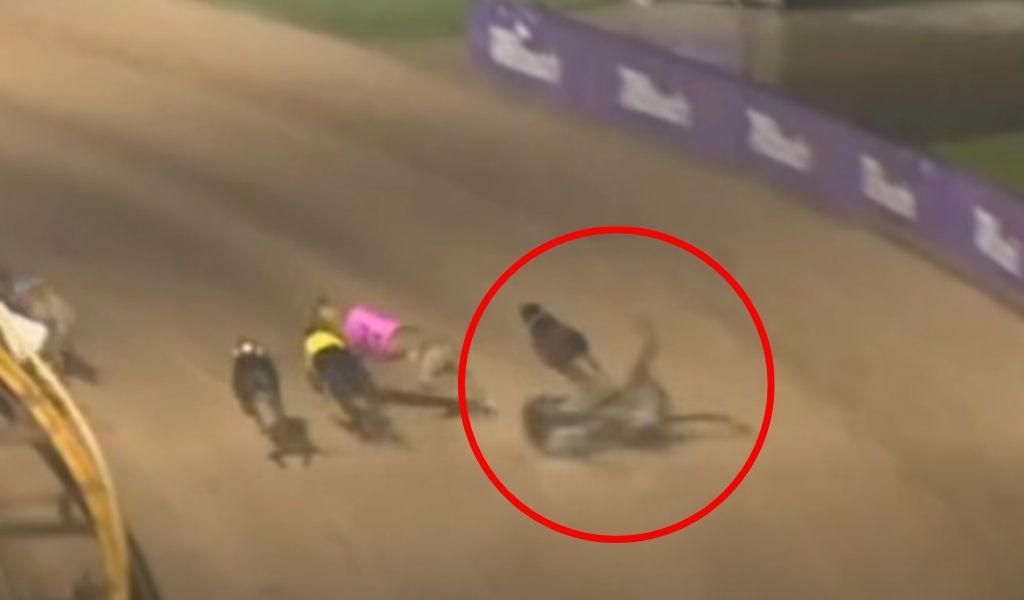
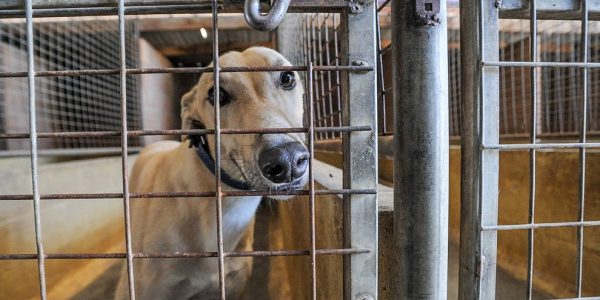
Greyhounds are gentle, social dogs with lives and personalities far beyond a racetrack. Yet dogs bred into commercial racing face risks that companion dogs should never be expected to endure: high-speed collisions, serious injuries, death, prolonged confinement, overbreeding and uncertainty about what happens when they can no longer race.
In 2024–25 alone, Racing and Wagering Western Australia (RWWA) recorded 629 racing injuries, including 92 serious injuries and 16 deaths on WA tracks. Hundreds of unwanted dogs are discarded by the racing industry each year, creating an ongoing need for safe homes and support from rescue groups, volunteers and families.
Years of reform have not changed the fundamental equation: as long as dogs are bred and raced for gambling revenue, preventable harm remains built into the system.
Western Australians are asking for change.
The current parliamentary inquiry received more than 5,000 submissions, the vast majority from WA residents.
Independent voter research paints the same picture. Six in ten Western Australians support phasing out greyhound racing, and support extends across political parties and electorates. Just 23% oppose a phase-out. Western Australians also reject the idea that substantial public money should continue supporting the industry: the same research found 61% oppose spending up to $30 million each year on greyhound racing, compared with only 14% who support it.
The public is ready for a different future. Political decision-makers now have an opportunity to respond.
Greyhound racing costs the community more than it returns.
The case for change is not only about animal welfare. Independent economic analysis found that greyhound racing reduces Western Australia’s overall economic prosperity. The analysis estimates that in 2026:
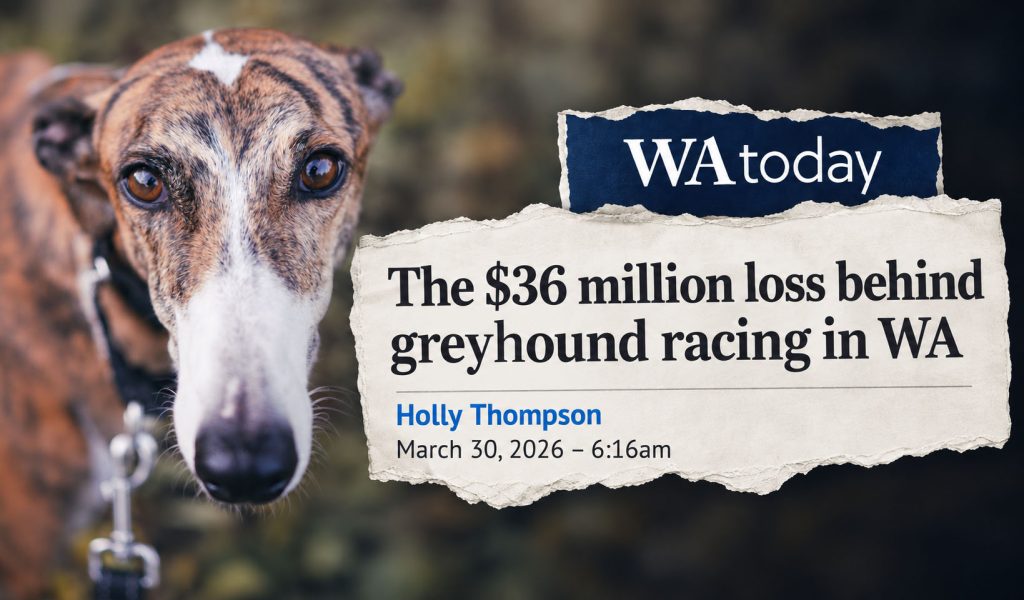
- greyhound racing will create a net economic loss of $36.4 million
- around $39.3 million in government funding will support the industry
- gambling-related harm associated with greyhound racing is estimated to cost $110.5 million
- For every $1 spent on greyhound racing, the analysis estimates just 79 cents in community value is returned
Over 2026–28, the analysis projects a cumulative $116.7 million net loss in economic value.
At a time when every government dollar matters, Western Australians are entitled to ask whether continuing to fund an industry that causes predictable harm to dogs is good public policy.