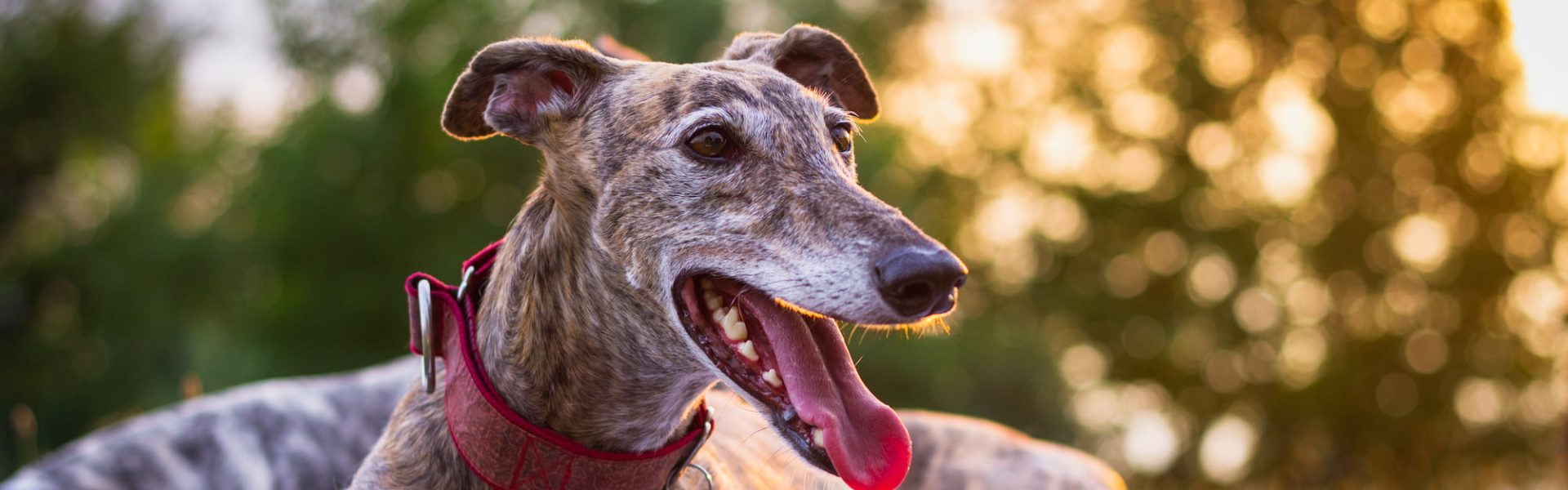

A greyhound sits happily on a blanket on the grass.

Submission guide: Inquiry into greyhound racing in Western Australia.

Greyhounds deserve better – and right now, the WA Parliament is listening. Now is your chance to speak out before midnight on the 17th of November, 2025.

Animals Australia

Animals Australia team

Last updated November 10, 2025

The tide is turning against greyhound racing cruelty — and now it’s Western Australia’s turn.

Only months after the Tasmanian Government announced it would end public funding for greyhound racing by 2029, new legislation has now been tabled to phase out the state’s industry entirely by 30 June 2029.

Across the world, momentum is building — Aotearoa New Zealand will end commercial greyhound racing by 2026, and Wales has tabled draft laws to ban it altogether.

Western Australia is now the only Australian state where the government still profits directly from greyhound racing through Racing and Wagering WA (RWWA) — the same agency responsible for regulating it. This clear conflict of interest undermines any claims of integrity and independence — and leaves countless dogs vulnerable to welfare failures.

Right now, the WA Parliament is holding an inquiry into greyhound racing. This is a critical opportunity for caring people to speak out — and help bring an end to the suffering of thousands of dogs. Please take action before midnight on the 17th of November, 2025.

See below for:

Make your submission online now

Why is this important?

Across Western Australia, greyhounds are bred and raced for gambling profit — with devastating consequences.

  • Dogs are dying on track. Since January, 27 greyhounds have been killed in WA, including 11 during races and 16 soon after due to injuries.
  • Public money is funding cruelty. The industry receives millions in taxpayer subsidies each year while employing fewer than 150 full-time workers.
  • Oversight is broken. Racing and Wagering WA both regulates and benefits from greyhound racing — a clear conflict of interest.
  • Overbreeding is built in. Hundreds of greyhounds continue to be bred and discarded every year.

This inquiry can expose these systemic failures, and pave the way for a kinder future for these gentle dogs.

This image contains content which some may find confronting

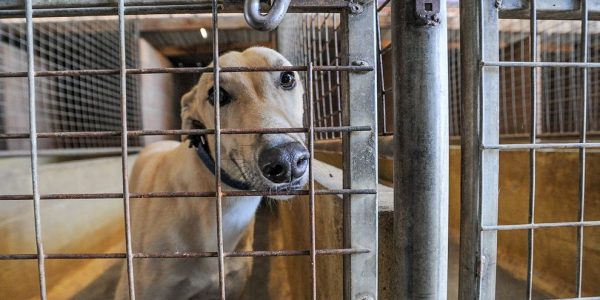
A greyhound looks through the wire of a barren kennel.
Image credit: Jo-Anne McArthur / We Animals Media

Why your voice is needed

Parliamentary committees rely on community submissions to understand public concern. When thousands of people speak up, it sends a powerful message: Australians won’t accept cruelty funded by public money.

You don’t need to live in WA to make a submission, anyone can take part.

How to make your submission

It’s simple – and takes about 10-15 minutes.

  1. Go to the Parliament’s online submission page.
  2. Introduce yourself — share who you are and why you care (for example, as an animal lover, greyhound guardian, vet, volunteer, or concerned citizen).
  3. Share your thoughts under these headings
    • Industry practices and operations
    • Governance, compliance and enforcement
    • Data collection and transparency
    • Adoption and post-racing care
    • Public funding and accountability

Be sure to use your own words – personal submissions carry the most weight.

Please note that if you do not want your name and submission to appear on the Parliament’s website, you can request that they be kept private.

Lodge your submission online now

Key points you may wish to include

Please do not copy and paste the below. Rewriting these points in your own words will make your submission more powerful for dogs.

  • According to Racing and Wagering Western Australia’s own 2024–25 Annual Report, there were 629 injuries recorded, with 92 sustaining “serious injuries”
  • 16 greyhounds were killed on tracks — that’s about one death every 3 weeks. These figures do not include dogs killed off-track for race-related injuries, or those deemed “not suitable for rehoming” after they stop racing.
  • Dogs continue to die despite costly track upgrades and “re-designs”
  • Straight tracks — touted as being “safer” — are not a viable solution. Dogs continue to die on these tracks too — in fact, the straight track at Richmond (NSW) was the second-deadliest racing venue in Australia in 2023, killing 11 dogs despite a $1.5 milion taxpayer-funded rebuild.

  • Racing and Wagering Western Australia (RWWA) is responsible for regulating greyhound racing, while profiting from it through watering operations
  • This dual role undermines transparency and public trust. Independent welfare and integrity oversight are urgently needed.

  • WA’s greyhound racing industry receives $30 million per year in public and industry funding
  • With fewer than 150 full-time jobs supported by greyhound racing in WA and fewer than 50 individuals stating they earn primary income from it, continued public subsidisation cannot be economically (or ethically) justified.

  • Just months ago, Tasmania announced it will defund greyhound racing from 2029 and has since tabled legislation to phase-out the industry entirely.
  • Aoratoea New Zealand’s Minister for Racing confirmed in late 2023 that the government is preparing a transition plan to end greyhound racing, after years of welfare breaches.
  • In the United Kingdom, Wales and Scotland are both considering bans — the Scottish Parliament Cross-Party Group on Animal Welfare has recommended an end to greyhound racing.
    • The Welsh Government formally supported a ban in principle in 2024 after public consultation
  • The ACT remains Australia’s only jurisdiction to have legislated an end to greyhound racing (2018) with no negative social or economic impact reported since.

  • The current WA Parliamentary Inquiry was triggered by a petition signed by more than 20,000 Western Australians, reflecting growing public opposition.
  • Nationally, polling has shown that two-thirds of Australians oppose the use of taxpayer money to fund greyhound racing.

  • WA operates just three racing tracks, one of which (Northam) closes for half the year due to heat risk
  • Only 46 individuals or syndicates hold active ABNs registered with RWWA for greyhound racing income — many counted twice through joint ownership structures.
  • Around 500 greyhounds are bred annually to service just 1,650 active racers, resulting in hundreds of surplus dogs needing rehoming or euthanasia each year
  • The industry’s small scale and high welfare cost make continued operation ethically and economically indefensible.

  • Each year, hundreds of greyhounds leave racing in Western Australia — in 2024–25, 615 dogs exited racing, while 132 were recorded as deceased, including 50 killed due to injury.
  • RWWA’s own “Greyhounds as Pets” program rehomed just 290 dogs, leaving the remainder reliant on independent rescues and community volunteers to pick up the slack.
  • These community organisations — largely funded by public donations — shoulder the emotional and financial burden of rehabilitating and rehoming dogs the industry no longer wants.
  • This publicly subsidised system effectively outsources the cost of animal welfare to charities and households, while industry participants continue to receive prizemoney, breeding incentives and subsidies.
  • Even with this unpaid community effort, greyhounds are still killed for behavioural or medical reasons — outcomes directly linked to the stress, confinement and high-speed collisions inherent to racing.

This image contains content which some may find confronting

A black greyhound stands with their eyes closed, content as a person with long dark hair nuzzles into them with their hand on their face.
Image credit: Lyndal Carmichael Photography

Together, we can make history for greyhounds.

A managed phase-out of greyhound racing in Western Australia would spare thousands of dogs and puppies from injury, suffering and death. By using your voice to speak up, you could be helping to bring a future where these beautiful dogs are loved for who they are – not how much gambling money they make.

Thank you for speaking up for dogs.

If you have any questions about making your submission, please contact our friendly Supporter Services team at [email protected] or 1800 888 584.