For the hens behind Australia’s cage-free and free-range egg labels, daily life can look very different to what shoppers expect.
In 2025, investigators from Farm Transparency Project documented cage-free and free-range egg farms in Australia — this is what they found.
How is ‘free-range’ defined?
For years, Australia had no national definition of free-range. It wasn’t until 2017 that the State and Federal Ministers finally settled on a national standard. But that’s where the reassurance ends. The bar was set so low for a ‘free-range’ hen that many shoppers feel misled by the label.
Under the current definition, up to 10,000 hens can be kept per hectare of outdoor space — a density almost seven times higher than earlier welfare guidelines recommended. Some smaller farms choose to keep far fewer birds, around 1,500 per hectare. Others operate at the legal maximum. This means two cartons labelled ‘free-range’ can represent very different realities.
For consumers trying to make a kinder choice, there’s no easy way to tell the difference. And for hens, the label alone offers no guarantee of the life people assume they’re living.

Under national standards, “free-range” farms can house up to 10,000 hens per hectare of outdoor space — and with no clear rules about how often hens must be allowed outside, many hens still spend most of their lives crowded together in sheds.
Image Credit:
Farm Transparency Project
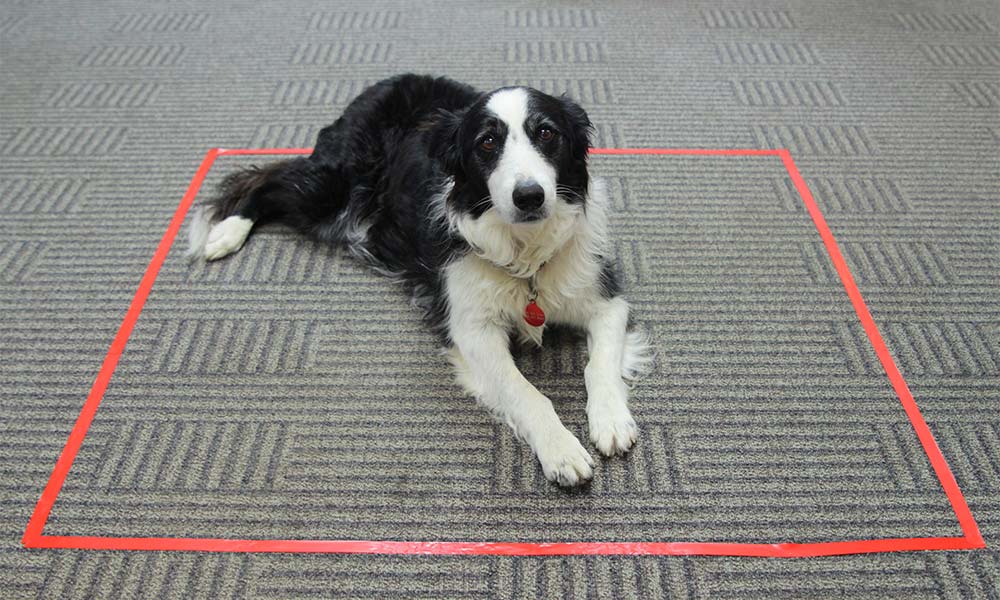
At 10,000 birds per hectare, an individual hen would be afforded about the same amount of space as Buddy here in this picture. Is this what you think of when you imagine ‘free range’?

And no matter how they are raised, their journey ends the same way — caught, crated, and trucked to slaughter. Hens can live for more than 10 years, yet in the egg industry they are generally deemed “spent” at just 18 months old.
Image Credit:
Tamara Kenneally
The standards also state that hens should have “regular and meaningful” access to the outdoors, but do not specify what that means in practice.
As more people have learned about factory farming, many have tried to make kinder choices by reaching for “higher welfare” options like free-range. But instead of genuinely improving life for hens, industry groups have pushed to water down what free-range actually means — so more eggs can carry the label.
Governments have gone along with it, leaving many caring consumers unaware that the standards often fall short of what they expect. And hens are the ones who pay the price.
What about free-range chicken meat?
The ‘free range’ label used on some chicken meat is questionable too. Most chickens bred for their meat, referred to as ‘broilers’, are killed at just four to six weeks old — meaning ‘free range’ chickens may only have access to the outside world for a couple of weeks of their life. When they are young and not yet fully feathered, they cannot regulate their body temperature, so they are kept inside sheds until they are around three weeks old, only to be slaughtered shortly after.
Day-old chicks are killed — even in free-range systems
No matter how much space hens are given, one reality remains: for every female chick born into the egg industry, a male chick is born too. Because roosters don’t lay eggs, these chicks are killed on their first day of life. They are dropped into ‘macerators’ and shredded, or gassed to death — routine and entirely legal practices in Australia. This happens across all egg systems — including free-range.
It isn’t easy to keep up with what the various logos and labels mean for the chickens behind the eggs on supermarket shelves, so we’ve created a simple egg label guide here.
The kindest choice
Labels like “free-range” don’t tell the whole story. If you’re looking for the kindest choice for hens and their chicks, it’s choosing egg-free.
More people than ever before are choosing to cook and bake without eggs. Compassionate alternatives are simple, affordable and delicious — and every egg-free choice helps shift the food system toward one that values animals for who they are, not just what their bodies can produce.
Ready to explore egg-free eating? Order your free egg-free guide today.